Stove showroom Cornwall
 
stove fitters Cornwall Cornwall Stove Installer
Flues Cornwall Chimneys Stove Cornwall Stove Cornwall Woodburning stoves Cornwall
 
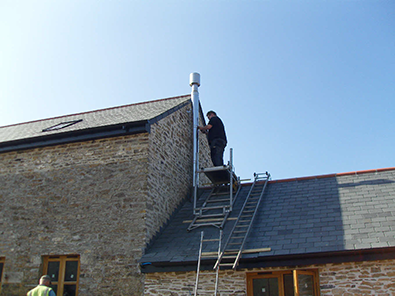
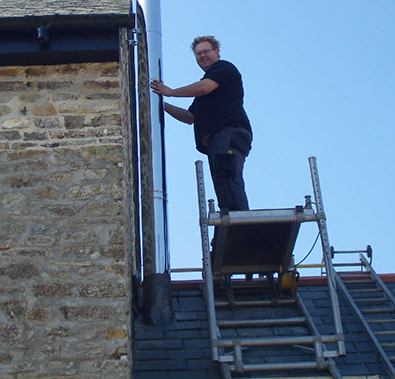
Cornwall chimney and flue specialists, Stove Shop are based in Liskeard but provide their expert flue and chimney installation services throughout the Cornwall area.

Chimneys & Flues

All stoves (with the exception of electrical models) need a flue to release the exhaust gases from the fire. The exact details of the flue is important, as poor design or fitting can lead to the stove operating at less than peak efficiency. In extreme (and rare) cases it can lead to safety issues. We can advise on getting the right flue system fitted when you buy a stove.

You may have a chimney already and be looking to fit a stove into the hearth or inglenook, we sell a range of inset stoves for people looking to do this unobtrusively. Bear in mind that your stove will be burning the fuel at a higher temperature than the open fire for which your chimney was designed. This can lead to two major issues, one is that the brickwork inside the chimney gets eroded and the other is that the thin walls of the chimney will not protect the surrounding parts of the building from the heat.

Remember, when your house was built, the whole idea of the chimney was to spread as much of the heat throughout the building as possible for the maximum benefit to be garnered from the fire. Because a stove burns so much hotter, this can actually damage the house, to the point of starting a fire, especially in the attic where the beams can be ignited by the temperature of the flue gases.

 
Cornwall Chimney Specialists
Chimney specialists Cornwall
Cornwall Flues Chimneys
Chimneys Flues Cornwall
 

Fitting the flue

Every chimney or flue needs to be a regular shaped (rectangular or circular are the most common), and as straight as can be possibly achieved. It is also important to ensure that the internal walls of the chimney are smooth. This ensures that all of the gases being vented from the stove are removed as efficiently as possible. By efficiently venting the exhaust gases, fresh clean air is drawn into the stove through the vents.

Faster moving gases leave less deposits on the walls of the flue, remember that the gases from the stove will contain all sorts of chemicals from the burn fuel. These are generally naturally occurring and harmless when cooled. All modern stoves burn these gases to very high temperatures, ensuring that they do not cause undue pollution and allows the flue to release them efficiently.

However, in a poorly fitted flue these gases are not properly handled and they can and do cause soot and creosote to build up. These can accumulate on the walls the flue, especially at areas which are not smooth. This build up can be seriously detrimental to the efficiency of the stove, as well as attracting more build up in the flue. This spiral can stop your stove from working completely, and in some cases lead to carbon monoxide being released into the house. Carbon monoxide (CO) is potentially fatal to humans at concentrations of only 400 parts per million.

A stove's flue differs from a conventional chimney, because the stove flue is sealed from the room. This arrangement doesn't let draughts into your house. The flue itself should retain a lot of heat because hot gases move faster. Flue liners are available for your traditional chimney. These liners protect the brickwork of chimneys, and provide a perfect smooth sided flue. The chimney liner will also reduce the available space in the chimney, something which will benefit the efficiency of your stove. By compressing the passage the gases can travel through, you will speed them up and encourage condensation once they have been released.

Flue and chimney liners

Proper flue liners are especially important for most older chimneys, especially those with thins walls or for houses with thatched roofs. Stoves release much hotter gases into the flue, so a thin chimney wall will not be able to protect the building from that heat. This is a fairly common cause of fire in thatched premises. A flue liner will insulate and protect against these hotter gases.

Chimneys need maintenance. Cleaning at least once a year if you are burning solid fuel and three or four times a year for wood. Professional sweeping of the chimney, makes sure that the flue is entirely unblocked. It also cleans out any build up of soot, tar or creosote before it becomes a problem. Even a slightly blocked flue can dramatically reduce the efficiency that your stove burns at.

If you are thinking of sweeping your chimney yourself, it is worth checking your insurance policy. Some have a requirement that any chimneys which are 'in use' are only swept by a qualified and professional sweep. Of course a professional sweep will bring all of his own equipment and won't leave a mess all over the hearth rug which will have to be explained to the wife.

 
Cornwall Chimney Specialists
 
 
Stove Shop
7 Pike St
Liskeard
Cornwall
PL14 3JE

Telephone: 01579 345018
Email: sales@stoveshop.co.uk

Stove Shop Group
Stove Types
Aga
Rayburn
Charnwood
Esse
Flamerite
Palazzetti
Sandyford
Stovax
Villager
Woodwarm
Stoves
Installation and Maintenance
Parts and Spares
Buy Stove and Flues Online

Flues
Chimneys
Range Cooker Conversions

Showroom

Stove Spare Parts Cornwall Renewable Heating  
 
 
Website design by Web Design